





Teeth whitening is one of the most commonly asked-about treatments in cosmetic dentistry, and also one of the most misunderstood. Supermarket shelves and online marketplaces are full of products promising dramatic change, while the professional version of the treatment is rather quieter about what it does. This guide from the team at Footscray Dental Studio explains what professional teeth whitening actually involves, the options available, what results are realistic, and how to look after them once treatment is finished.
What Is Professional Teeth Whitening?
Professional teeth whitening is a procedure carried out by a trained dentist using controlled materials in a monitored setting. That distinguishes it clearly from the over-the-counter products sold in supermarkets and online, which are formulated for unsupervised use and are correspondingly limited in strength.
The professional version uses higher-strength whitening agents, applied with the surrounding tissues protected and the exposure time controlled. The goal is to reduce stains and lighten the colour of the teeth without damaging enamel or the soft tissues of the gums, lips and cheeks. Because the treatment is supervised, it can be adjusted to suit individual needs and individual sensitivity, which is the main practical advantage it holds over anything you can buy off a shelf. In short, it aims to balance an improvement in appearance with the maintenance of good oral health, rather than trading one for the other.
Why Teeth Become Discoloured
Tooth discolouration develops gradually, which is why most people notice it in a photograph rather than in the mirror. Some stains sit on the surface of the enamel, while others penetrate deeper into the tooth structure, and the distinction matters a great deal when it comes to treatment.
The usual contributors are familiar ones:
- Coffee, tea and red wine, all of which leave pigmented surface stains
- Smoking or vaping, which deposit residues that cling to enamel
- Poor oral hygiene, which allows plaque to accumulate and gives stains something to hold onto
- Certain medications, which can affect the colour of teeth from within
- Natural ageing, which thins the enamel and lets the darker layer underneath become more visible
Brushing helps reduce surface staining, but it can only ever work on the outside of the tooth. Deeper discolouration does not respond to better brushing, and that is precisely the gap professional whitening treatments are designed to address. If you would like a fuller breakdown of what causes discolouration, our article on the top reasons for yellow coloured teeth works through ten of them in detail.
How Teeth Whitening Works
Whitening uses a bleaching agent, typically in the form of a whitening gel. The gel penetrates the enamel, reacts with the stain molecules held within the tooth structure, and breaks them down into smaller, less pigmented compounds.
It is worth being clear about what the process does not do. It does not remove enamel or strip a layer off the tooth. What changes is how light reflects off and through the tooth surface once the stain molecules have been broken down, and the result is an appearance that reads as whiter. Understanding this helps explain why whitening works beautifully on some kinds of discolouration and barely at all on others.
In-Chair Teeth Whitening
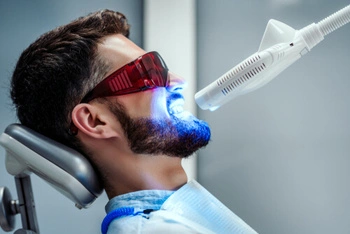
In-chair whitening is performed during a single appointment at the dental clinic. The sequence is straightforward:
- The teeth are cleaned first, so the gel makes even contact with the tooth surface rather than sitting on plaque.
- The gums are protected at the gum line with a barrier, keeping the gel where it is meant to be.
- The whitening gel is applied to the teeth.
- The gel is left in place for a controlled period, sometimes in more than one application.
- Throughout, the dentist monitors your comfort and can adjust the treatment if you find the teeth becoming sensitive.
Results are visible quickly with this approach. Many patients see noticeably whiter teeth after a single visit, though how much change occurs depends on the starting colour and the type of staining present.
Take-Home Teeth Whitening
The take-home approach uses custom whitening trays, made to fit your own teeth precisely. You fill the trays with the whitening gel provided and wear them at home for a set period each day, over a course of days or weeks.
This allows whitening to happen gradually rather than in one session, which suits two groups of people particularly well: those who experience tooth sensitivity and find a slower approach more comfortable, and those who simply prefer a gradual change in colour rather than a sudden one.
It is important not to confuse a dentist-provided take-home kit with a general home whitening kit bought online. The dentist-provided version is tailored to your mouth, uses professionally dispensed gel, and is monitored for safety along the way. The generic version is none of those things.
Teeth Whitening Options Compared
There is no single whitening method that suits everyone, and a good deal of disappointment comes from choosing the method that fits someone else's situation. The common options are:
- In-chair whitening, for faster results in a supervised setting
- Take-home whitening, for gradual change and greater comfort for sensitive teeth
- Combination approaches, where an in-chair session is followed by take-home trays to extend and maintain the result
Over-the-counter products form a fourth category. They may help with mild surface stains, but the results are unpredictable, and the trays supplied with them are made to a generic shape rather than to your teeth. An ill-fitting tray allows gel to escape onto the gums, which increases the risk of irritation, and it holds the gel unevenly against the teeth, which can produce patchy whitening.
Professional whitening offers more consistent results and, just as importantly, closer attention to your dental health while the treatment is underway.
Is Teeth Whitening Safe?
When carried out professionally, whitening is generally considered safe for most people. The reason is largely about control: a dentist can select the whitening method, control the strength of the gel, limit how long it stays in contact with the teeth, and protect the gums and surrounding soft tissues throughout.
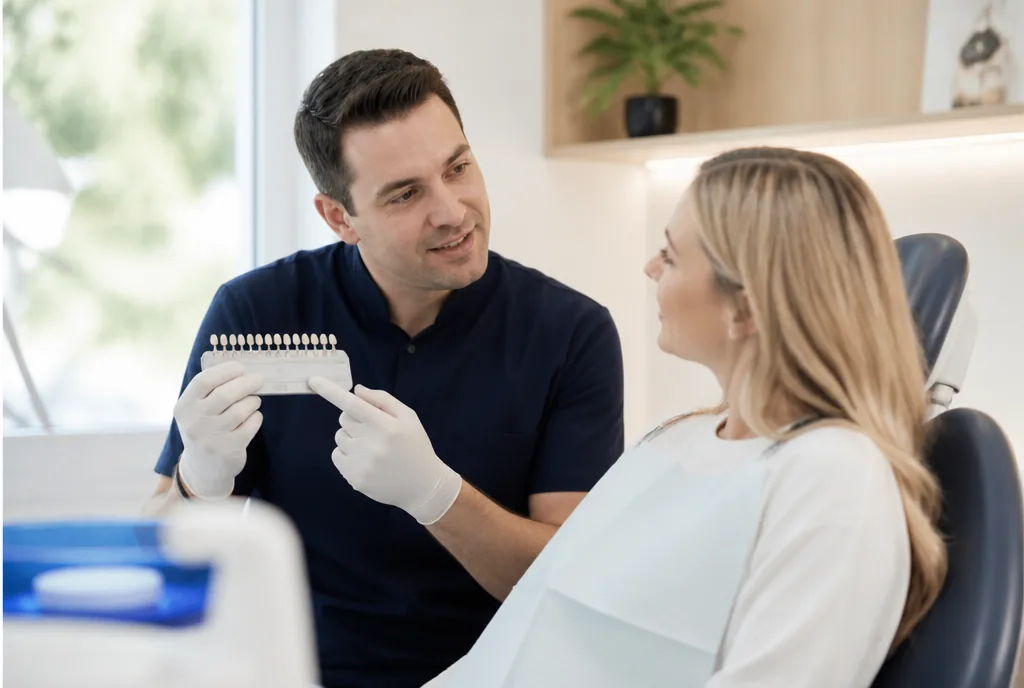
Some people experience temporary tooth sensitivity after whitening, most noticeably with cold food and drinks. This usually settles quickly and does not indicate that the teeth have been damaged. Your dentist can also suggest measures that reduce it, such as a desensitising product or a shorter wear time.
Problems are far more likely when whitening products are overused without professional guidance, which is one of the main reasons unsupervised, repeated use of strong online products is discouraged. General information on whitening and its risks is available from Healthdirect and the Australian Dental Association's teeth.org.au.
Teeth Whitening Results and Expectations
Results vary between individuals, and setting realistic expectations before treatment starts makes for a far better experience afterwards. The factors that influence the outcome include:
- Your starting tooth colour
- The type of staining present, and whether it is surface-level or internal
- The thickness and translucency of your enamel
- The whitening method used
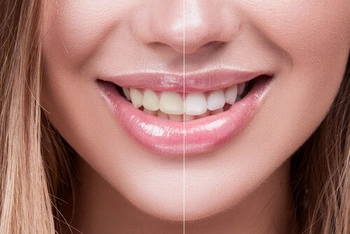
Many patients achieve a brighter smile several shades lighter than where they began. The aim of professional whitening, though, is improvement rather than an artificially uniform white, and a shade that suits your face and your natural colouring generally looks far better than the brightest one available.
One point catches people out regularly: whitening does not change the colour of fillings, crowns, veneers or other dental work. Those materials hold whatever shade they were made in. If you have visible restorations at the front of the mouth, your dentist will discuss how whitening the surrounding natural teeth is likely to affect the overall appearance.
How Long Does Teeth Whitening Last?
Whitening results are not permanent. Depending on your lifestyle and how you care for your teeth afterwards, they can last months or considerably longer.
Habits are the deciding factor. Regular red wine, coffee, tea or smoking will bring staining back sooner, as will a lapse in oral hygiene that lets plaque accumulate. Maintaining the result generally involves three things: consistent brushing and flossing, regular dental visits and cleans, and the occasional top-up whitening session when the colour begins to drift. Take-home trays are useful here, since a short top-up is straightforward once the trays already exist.
Teeth Whitening Cost Considerations
The cost of whitening varies according to the treatment chosen. The main factors are whether you have in-chair or take-home whitening, how many sessions are involved, the materials used, and the location of the clinic. Fees differ between Melbourne clinics, so a quoted figure elsewhere may not be comparable.
At Footscray Dental Studio, teeth whitening starts from $450. We also offer a couples and wedding whitening package for two people preparing for the same occasion, which you can read about on our special offers page. Whether whitening is suitable for you, and which option makes sense, is assessed at a consultation, where the cost and the likely outcome can both be discussed clearly before anything is booked in.
Oral Health and Whitening
Whitening should support your dental health, not compromise it. That is why a dental check before whitening matters: it confirms there is no untreated gum disease, decay or other concern that whitening would either aggravate or simply paper over.
Healthy gums and clean teeth also reduce the risk of irritation during whitening and help the gel work evenly across the tooth surface. After treatment, maintaining good oral hygiene protects both the result and your overall oral health. The two goals point in the same direction, which is a pleasant change from most cosmetic decisions.
Post-Whitening Care
Good aftercare helps the results last longer and keeps the teeth comfortable in the days immediately following treatment. The essentials are simple:
- Avoid strongly staining foods and drinks for the first day or two after treatment, when the teeth are most receptive to pigment. Coffee, tea, red wine, curry and dark sauces are the usual candidates.
- Use the toothpaste your dentist recommends, which may be a desensitising formula for a short period.
- Follow the cleaning and maintenance advice you are given, including how and when to use any remaining take-home gel.
These are minor adjustments to everyday habits, but they make a genuine difference to how long the result holds.
Does Teeth Whitening Work for Everyone?
Whitening works well for many people, though not for everyone. It performs best on natural teeth with surface or moderate staining, and it has no effect on the colour of restorations such as fillings, crowns, bridges and veneers.
Discolouration caused by internal changes to the tooth, significant enamel loss or certain medications may respond only partially or not at all. In those situations your dentist can advise on whether whitening is appropriate and suggest alternatives where it is not, such as composite bonding or porcelain veneers. Our guide to how long veneers last is worth reading if that conversation seems likely, since veneers are a longer-term commitment than whitening. And if the position of your teeth concerns you as much as their colour, our article on teeth straightening for adults covers that separate question.
Final Thoughts on Professional Teeth Whitening
Professional teeth whitening offers a controlled and effective way to improve the colour of your teeth under dental supervision. The options, in-chair and take-home, can be tailored to individual needs, sensitivity and preferred pace of change.
Understanding how the process works, what results are realistic, what it costs and what care it requires is what allows you to make a decision you are happy with afterwards. Combined with good oral hygiene and sensible habits, whitening can support a brighter, more confident smile without compromising dental health. As with any treatment, suitability and results depend on an individual assessment, and that is the proper place to start. Patients across Footscray, Yarraville and Maribyrnong are welcome to raise it at their next check-up.